ALL ARTICLES AND PRODUCT INFORMATION PROVIDED ON THIS WEBSITE ARE FOR INFORMATIONAL AND EDUCATIONAL PURPOSES ONLY. The products offered on this website are furnished for in-vitro studies only. In-vitro studies (Latin: in glass) are performed outside of the body. These products are not medicines or drugs and have not been approved by the FDA to prevent, treat or cure any medical condition, ailment or disease. Bodily introduction of any kind into humans or animals is strictly forbidden by law.
OS-01: Unlocking Potential Through AMPK Activation
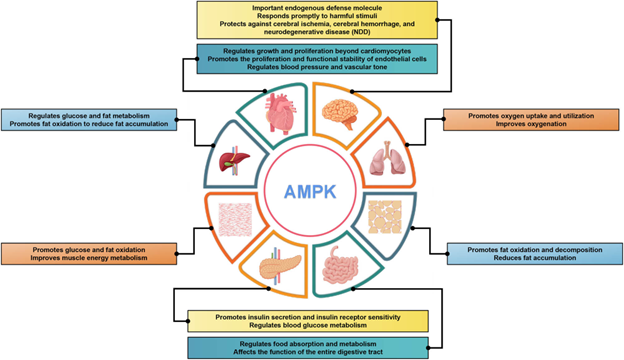
OS-01: Unlocking Potential Through AMPK Activation OS-01 emerges as an innovative, pan-AMPK activator demonstrating broad therapeutic potential across metabolic regulation, cardiovascular health, kidney protection, aging, and pain management. With a unique mode of action distinct from traditional AMPK activators, OS-01 leverages cellular energy pathways to promote extensive health benefits without common side effects.
The Science of OS-01: A New Frontier Peptide in Skin Health
Introduction Peptide OS-01 is a novel molecule making waves in skin science for its promising anti-aging benefits. It is a lab-designed peptide (also known as “Pep-14”) that targets fundamental cellular aging processes in the skin. In skincare, peptides have gained renown as powerful active ingredients that can boost collagen production, stimulate cell activity, or calm inflammation. Unlike traditional peptides that mostly signal superficial improvements (like enhanced moisture or collagen), OS-01 is uniquely positioned as a “senotherapeutic” peptide – one that helps manage senescent cells (often nicknamed “zombie cells”) in aging skin. By addressing cellular senescence, OS-01 aims to strengthen skin from within and potentially even reverse some markers of skin aging. This evidence-based research article will delve into OS-01’s scientifically validated skin benefits, explaining the research behind its development, how it works in the skin, and what makes it stand out among skincare innovations.
What is JNJ-2113 and How Does it Work?
About Psoriasis
In America, psoriasis affects over 8 million people, representing a significant portion of the population. While there is no cure, many people with psoriasis can manage their symptoms effectively with medical treatment and lifestyle adjustments.
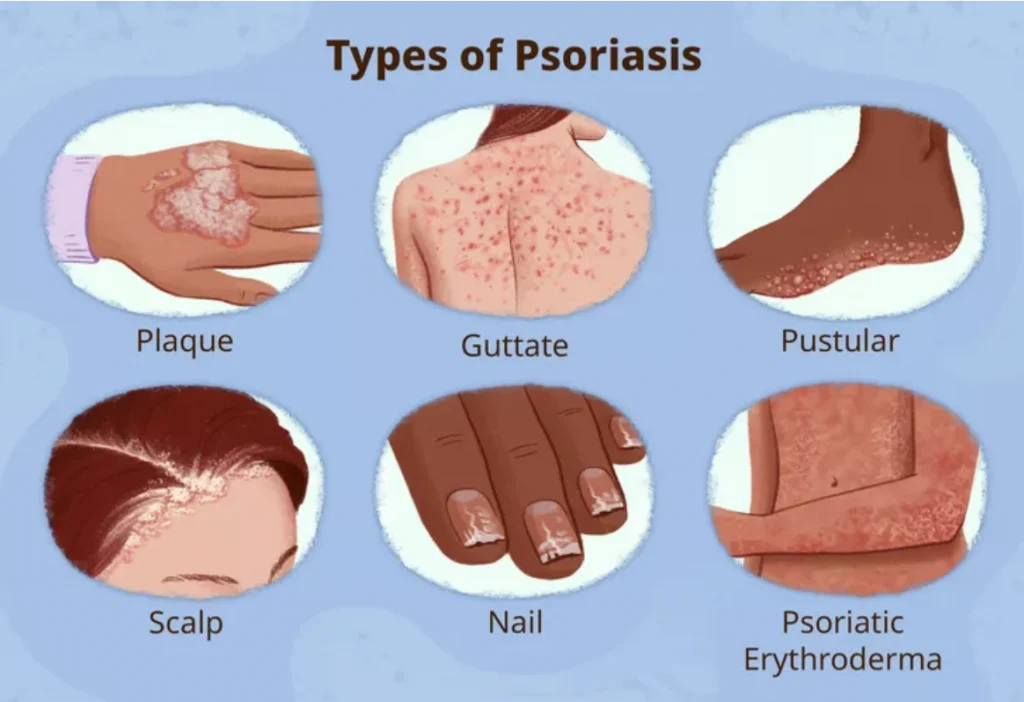
Psoriasis is a chronic autoimmune condition that primarily affects the skin, characterized by the rapid buildup of skin cells leading to thick, red, scaly patches that are often itchy or painful. This acceleration of skin cell growth is due to an overactive immune response. There are several forms of psoriasis, with plaque psoriasis being the most common, marked by raised, inflamed, red lesions covered with a silvery white buildup of dead skin cells. Other forms include guttate psoriasis, which appears as small, dot-like lesions; pustular psoriasis, characterized by white pustules surrounded by red skin; inverse psoriasis, which affects skin folds; and erythrodermic psoriasis, a severe form that leads to widespread redness over most of the body.
Treatments for psoriasis vary based on the type and severity of the condition and can include topical treatments, phototherapy, systemic medications, and biologic drugs, which target specific parts of the immune system. The goal of treatment is to reduce inflammation and clear the skin.
JNJ-2133 in Research
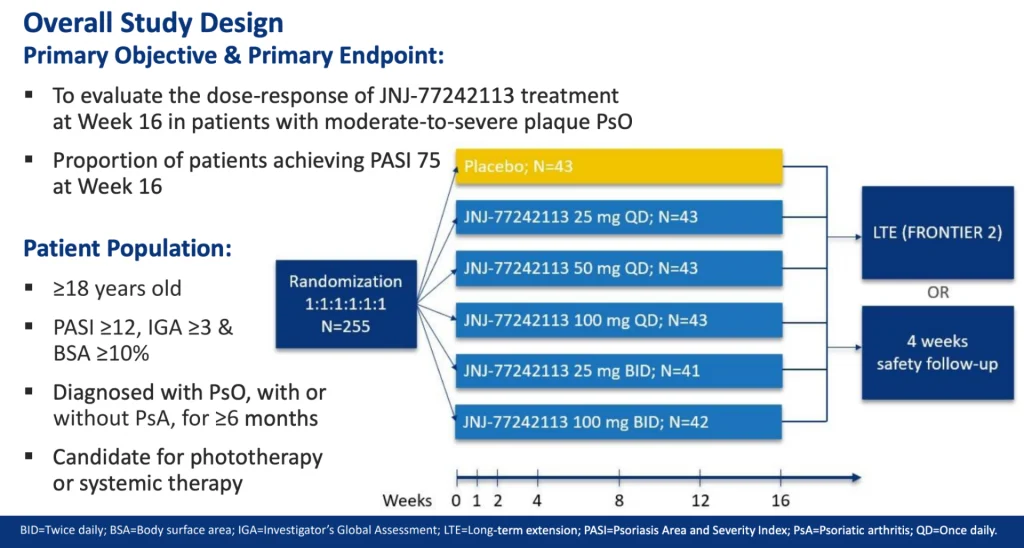
Recently, The FRONTIER 2 long-term extension study, presented at the 2024 American Academy of Dermatology Annual Meeting in San Diego, showed that the JNJ-2113 treatment maintains its effectiveness from Week 16 through Week 52, with safety results aligning with those found in the earlier FRONTIER 1 study. Johnson & Johnson revealed initial outcomes from the FRONTIER 2 study, an extension of the Phase 2b FRONTIER 1 trial, which explores the use of JNJ-2113. This unique, targeted oral peptide aims to inhibit the IL-23 receptor, a key player in the activation of pathogenic T-cells associated with moderate-to-severe plaque psoriasis and other IL-23-mediated conditions in dermatology, rheumatology, and gastroenterology.
Throughout the year-long FRONTIER 2 study, adults with moderate-to-severe plaque psoriasis experienced significant and sustained skin clearance. Across five different dosage groups of JNJ-2113, measured by the Psoriasis Area and Severity Index, the effectiveness of the treatment was consistently upheld from Week 16 to Week 52. Notably, the 100 mg twice-daily group showed the highest skin clearance rates, with a 78.6% response at 16 weeks and a 76.2% response at 52 weeks. Similarly, for key secondary goals like PASI 90, PASI 100, and Investigator’s Global Assessment scores, effectiveness was maintained up to Week 52 for all dosage groups.