Research Categories
Research Categories

Sermorelin Acetate

ALL ARTICLES AND PRODUCT INFORMATION PROVIDED ON THIS WEBSITE ARE FOR INFORMATIONAL AND EDUCATIONAL PURPOSES ONLY. The products offered on this website are furnished for in-vitro studies only. In-vitro studies (Latin: in glass) are performed outside of the body. These products are not medicines or drugs and have not been approved by the FDA to prevent, treat or cure any medical condition, ailment or disease. Bodily introduction of any kind into humans or animals is strictly forbidden by law.

Sermorelin, Sleep and the Brain

Fifteen years ago, orexins were identified as central regulators of energy homeostasis. Research indicates that orexins are key modulators of the sleep-wake cycle and that these neuropeptides also affect feelings of satiety and hunger. Given their role in energy homeostasis, it was hypothesized that orexin levels are likely regulated, at least in part, by the growth hormone axis. Recent research supports this fact and suggests that growth hormone releasing hormone analogues, such as sermorelin, may be effective in treating conditions in which orexin release is dysfunctional (e.g. narcolepsy) [1].

Is Sermorelin Worth It?

Sermorelin Acetate and Aging

Growth hormone is a Goldilocks hormone, which is to say that it has an optimal level for producing the best outcomes. Too much GH increases morbidity and mortality, but so does too little. There is good evidence to suggest that at least part of the reason we age is because growth hormone levels decline over time, leaving us with sub-optimal levels of this important messenger. This decline in GH levels is referred to as somatopause and it has become a major focus of anti-aging science and research.

Somatopause is defined by the common symptoms we associate with aging: difficulty maintaining muscle mass, increased fat deposition, loss of bone density, declining energy and libido, higher cholesterol levels, and changes in skin texture and elasticity. Exercise helps to prevent these aging effects precisely because it keeps GH levels high, but more and more research suggests that exercise can only do so much to offset the roughly 40% decline in GH levels that occurs between the ages of 20 and 701. Supplementation may, in fact, be necessary to achieve optimal GH levels. This, ironically, increases exercise capacity, which makes it easier to maintain GH levels moving forward.

It was initially thought that Sermorelin and similar peptides simply reduced the effects of aging without actually prolonging life. For instance, Sermorelin improved muscle mass and body composition, but researchers thought it unlikely that the peptide could help us live longer. Research in mice, however, shows that Sermorelin, specifically, does improve longevity. The improvement is interesting however, as the research revealed a dramatic increase in average life expectancy but no change in maximum life expectancy2.

The above research is consistent with the idea that Sermorelin helps to maintain optimal body chemistry and thus maximizes lifespan. It does not extend maximum life expectancy, but it does help more individuals to get closer to their maximum lifespan. What is more, Sermorelin improves health and general function, meaning that individuals are more active and functional during their extended lives.

The benefits of Sermorelin in reducing the effects of aging include, but are not limited to:

  • improved metabolism,
  • improved body composition (more muscle and less fat),
  • improved immune function,
  • enhanced wound healing,
  • better cardiac function, and
  • improves sleep.

Sermorelin vs Ipamorelin

Sermorelin vs Ipamorelin: Structure and Route of Administration

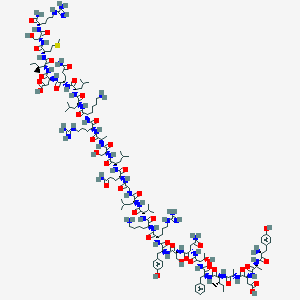
Sermorelin is made up of the first 29 amino acids from the much larger, naturally occurring GHRH peptide. It is the smallest fraction of GHRH than retains all of the properties of the parent molecule. Weighing in at 3357.9 g/mol, Sermorelin is a relatively large, heavy peptide that must be injected sub-cutaneous to be absorbed. It is not orally bioavailable. As a result of its large size, Sermorelin has a more significant three-dimensional structure than Ipamorelin and is thus is a little less stable in terms of storage half-life.

Source: PubChem

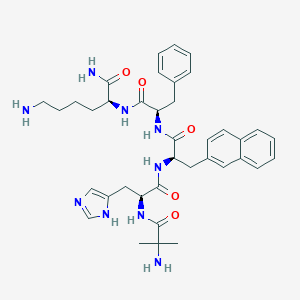
Ipamorelin is substantially smaller than Sermorelin at just 5 amino acids and 711.868 g/mol. It is a derivative of GHRP-1, which is itself a derivative of met-enkephalin. Though the most common route of administration for Ipamorelin is via sub-cutaneous injection, the peptide is also orally active and can even be absorbed though the nasal mucosa.

Source: PubChem

Ipamorelin vs Sermorelin: Lean Body Mass

Both Sermorelin and Ipamorelin favor the development of lean body mass over fat mass, but Sermorelin is the more potent of the two. This arises from the fact that Sermorelin is both a growth stimulator and a fat burner while Ipamorelin is a more general growth stimulator. That is not to say that Ipamorelin isn’t effective, it is, but ipamorelin isn’t as strictly favorable of lean body mass deposition as Sermorelin. This difference arises from the fact that Ipamorelin is a ghrelin analogue and ghrelin favors food intake in general. Its growth hormone boosting properties shift the overall balance away from fat deposition and toward lean body mass deposition, but the Ipamorelin peptide is best thought of as a general weight boosting peptide while Sermorelin is best thought of as a more exclusive booster of lean body mass. In fact, Sermorelin is often referred to as a lipolytic or fat-burning peptide.

Both peptides stimulate the development of bone and other connective tissue, but Ipamorelin appears to have the advantage in this realm. In fact, ipamorelin is so effective in boosting bone density and mineralization that it has been investigated as a potential treatment for corticosteroid-induced bone loss as well as osteoporosis[7], [8].

When it comes to muscle growth, Sermorelin is probably the big winner, though this can be debated endlessly. Sermorelin not only boosts muscle hypertrophy and hyperplasia, it reduces fat mass and thus causes a shift in body chemistry toward lean body weight. In other words, Sermorelin will always favor the production of lean body mass even if diet is not perfectly geared toward muscle development. Ipamorelin, on the other hand, is more of a mixed bag. It will always cause muscle growth, but ipamorelin may channel some of those calories into fat deposition as well.

Tesamorelin vs Sermorelin

Tesamorelin and Sermorelin are both synthetic growth hormone-releasing hormone (GHRH) analogues. Sermorelin is often used as a treatment for growth hormone deficiency in both children and adults. Sermorelin works by mimicking the action of the natural hormone, growth hormone-releasing hormone (GHRH), to increase the production of growth hormone in the body. This can have various benefits, including promoting growth in children, increasing muscle mass, reducing body fat, improving sleep, and enhancing overall well-being. Sermorelin is typically administered to individuals with growth hormone deficiencies or certain medical conditions.

Tesamorelin is used primarily to treat excess abdominal fat accumulation in people living with HIV/AIDS who have developed lipodystrophy. Lipodystrophy is a condition characterized by abnormal fat distribution in the body. Tesamorelin works by stimulating the pituitary gland to release growth hormone, which can help reduce visceral fat (fat stored in the abdominal area) in these individuals. It is administered through daily injections.

Both peptides are known for their ability to bring about changes in body composition, and both have been linked to improvements in heart health and cognitive function in mouse models. Despite their similarities, however, there are unique differences between these peptides. Understanding the subtleties that arise between these two very similar peptides is helping researchers to better understand physiologic pathways and develop better, more advanced therapeutics.

Tesamorelin vs Sermorelin | A Note on Growth Hormone

Researchers have shown interest in growth hormone (GH) therapy as an alternative approach to address body composition independently of the androgen-dependent gonadal axis. Studies have demonstrated that GH therapy can yield positive effects, including increased lean body mass, reduced adiposity, and improved serum lipid profiles. Despite these promising results, the use of GH therapy remains a subject of controversy and is subject to strict regulation. Potential side effects include joint stiffness, radiculopathy, edema, and a theoretically suggested but unproven increased risk of malignancy. The issue with direct GH supplementation is that it can easily lead to overdose. The body lacks a direct feedback mechanism for regulating GH levels and instead regulates the entire GH axis at the levels of synthesis and secretion. Given the benefits of GH, researchers began seeking alternative ways to stimulate GH release to avoid the potential problems associated with direct GH supplementation.

The result of these efforts was the development of a new class of peptides referred to as growth hormone secretagogues. Growth hormone secretagogue therapy has emerged as a promising substitute for GH therapy. These compounds exhibit numerous favorable effects similar to GH therapy but without the associated adverse side effects or regulatory issues. Growth hormone secretagogues stimulate the body’s own release of GH. This stimulation occurs either through direct mimicry of growth hormone release hormone (GHRH) or interactions with ghrelin/growth hormone secretagogue receptors (GHS-R), distinct from the conventional hypothalamic-pituitary-somatotropic axis. This article focuses on the growth hormone-releasing hormone (GHRH) analogues Tesamorelin and Sermorelin.

Research indicates that GHS treatment can elevate serum GH and IGF-1 levels to levels comparable to those achieved with recombinant GH therapy, resulting in similar reductions in fat and increases in lean muscle mass. Remarkably, specific GHS can uniquely induce the natural pulsatile secretion of GH observed in vivo. This stands in contrast to exogenous GH therapy, which often leads to sustained supraphysiological levels of GH in the bloodstream[1]. As a result, the administration of GHS has the potential to offer many of the same advantages traditionally associated with GH therapy while carrying substantially lower risks.

Sermorelin vs Semaglutide

Sermorelin and semaglutide are two well-researched peptides derived from naturally occurring proteins found in most mammals, including humans. Both have shown profound benefits in helping to optimize body composition and both may have additional benefits beyond their most widely touted attributes. Many people are interested in the comparison between sermorelin vs semaglutide and want to know what the research says about these two peptides. The biggest similarity between sermorelin and semaglutide is their ability to alter body composition and promote fat burning. Despite this similarity and their similar relative effectiveness, these peptides promote changes in body composition through drastically different mechanisms.

Their ability to promote body composition change is where the major similarities between sermorelin vs semaglutide end. While they share some other, minor similarities, it is the differences between these two peptides that are of interest and will help determine how they are most effectively applied to a given situation. Here is a look at the differences between sermorelin vs semaglutide and why those differences matter.

What Is Sermorelin?

Sermorelin is a peptide analog of growth hormone-releasing hormone (GHRH). It is used to stimulate the production and release of growth hormone (GH) from the pituitary gland. In the clinical setting, this is primarily done to diagnose and treat growth hormone deficiencies in children and adults. As a prescription medication, sermorelin is primarily used to treat those with growth hormone deficiency as well as those experiencing excessive declines in growth hormone levels with age. As a research peptide, sermorelin has been deeply studied in a variety of animal models and in vitro settings.

What Is Semaglutide?

Semaglutide is a glucagon-like peptide-1 (GLP-1) receptor agonist. It is primarily used for the treatment of type 2 diabetes mellitus, helping to control blood sugar levels by stimulating insulin release. Semaglutide is indicated for adults with type 2 diabetes who require better glycemic control, either as a standalone treatment or in combination with other diabetes medications.

Semaglutide is also used to produce weight loss in those suffering from obesity. Semaglutide works by mimicking the action of GLP-1, a hormone that stimulates the release of insulin from the pancreas, reduces glucagon secretion, slows gastric emptying, and promotes a sense of fullness. These actions help to lower blood sugar levels and reduce appetite[1], [2].

Welcome back!

or
Menu
Explore

Search Peptides

Welcome back!

or
0