Research Categories
Research Categories

GHK-Cu

ALL ARTICLES AND PRODUCT INFORMATION PROVIDED ON THIS WEBSITE ARE FOR INFORMATIONAL AND EDUCATIONAL PURPOSES ONLY. The products offered on this website are furnished for in-vitro studies only. In-vitro studies (Latin: in glass) are performed outside of the body. These products are not medicines or drugs and have not been approved by the FDA to prevent, treat or cure any medical condition, ailment or disease. Bodily introduction of any kind into humans or animals is strictly forbidden by law.

GHK-Cu Research: Showing Promise With Inflammatory-Based Diseases

Introduction

In recent years, GHK-Cu has garnered significant attention in the medical and scientific communities for its remarkable effects on wound healing, anti-aging, and anti-inflammatory properties. As research advances, GHK-Cu’s potential to combat inflammatory-based diseases has become particularly promising. Inflammation is a hallmark of many chronic diseases, including arthritis, COPD, and neurodegenerative disorders.
Understanding the molecular mechanisms of GHK-Cu and its therapeutic potential in targeting inflammatory pathways could be key in developing new treatments for these diseases. In this article, we will delve into the relationship between GHK-Cu and inflammatory-based diseases, exploring its mechanism of action, its role in reducing inflammation, and its future potential in applications.
What is GHK-Cu (Copper Peptide) and How Does it Work?

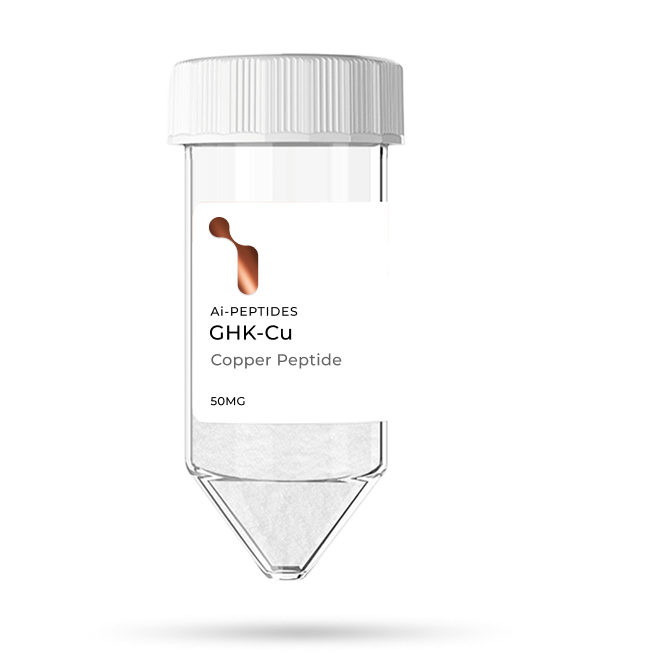
What is GHK-Cu?

GHK-Cu is a naturally occurring copper complex that was first identified in human plasma, but has hence been found in multiple locations such as saliva and urine. Copper peptides are small, naturally occurring protein fragments that have high affinity for copper ions, which are critical to normal body function. GHK-Cu has a variety of roles in the human body including, but not limited to, promoting activation of wound healing, attracting immune cells, antioxidant and anti-inflammatory effects, stimulating collagen and glycosaminoglycan synthesis in skin fibroblasts, and promoting blood vessel growth.There has been evidence that has shown that it acts as a feedback signal that is generated after tissue injury. First, it seems to act as a potent protector of tissue and anti-inflammatory agent that control the oxidative damage that occurs post-tissue injury. Further, it then plays a big role in signaling tissue remodeling which removes damaged/scarred tissue and generates new, healthy tissue. However, these positive effects decline with age because the concentration of GHK-Cu in the body decreases with age. Thus, there is an increase in inflammation, cancerous activity, and tissue destruction.

GHK-Cu Explained

Introduction

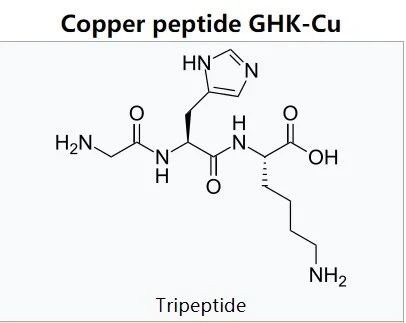
GHK-Cu (Glycyl-L-Histidyl-L-Lysine-Copper) is a small peptide composed of three amino acids and a copper ion. It was first discovered in the 1970s by Dr. Loren Pickart, a biochemist at the University of California, San Francisco. Dr. Pickart initially discovered GHK-Cu as a component of human plasma, but later found that it was present in many tissues and organs throughout the body. He also found that GHK-Cu levels decrease with age, leading him to hypothesize that peptides may play a role in the aging process. Over the years, GHK-Cu has been studied extensively for its potential therapeutic properties. It has been found to have antioxidant, anti-inflammatory, and wound-healing effects, as well as the ability to stimulate collagen production and improve skin elasticity.GHK-Cu has also been shown to have neuroprotective effects and may be beneficial for conditions such as Alzheimer’s disease and Parkinson’s disease. In addition, GHK-Cu has been investigated for its potential anti-cancer properties. Studies have found that it may inhibit the growth of certain types of cancer cells and enhance the activity of immune cells. The history of GHK-Cu peptide is one of ongoing research and discovery of its many potential therapeutic applications.

Why Copper?

Copper is added to the GHK peptide to form the GHK-Cu complex, which is the biologically active form of the peptide. The copper ion is an essential component of this complex and plays a crucial role in its biological activity. GHK-Cu has been found to have numerous biological functions, such as stimulating the production of collagen, promoting the growth of blood vessels, and enhancing antioxidant activity. Copper plays a crucial role in these functions by acting as a cofactor for enzymes that are involved in collagen synthesis, angiogenesis, and antioxidant defense.

In addition, copper is essential for the activity of superoxide dismutase (SOD), an antioxidant enzyme that helps to neutralize harmful free radicals in the body. GHK-Cu has been found to enhance the activity of SOD, which may help to protect against oxidative stress and age-related damage.

Furthermore, copper is a potent anti-inflammatory agent and has been found to modulate immune responses. GHK-Cu has been shown to have anti-inflammatory effects, and copper is thought to play a role in this by regulating immune cell function and cytokine production. The addition of copper to the GHK peptide enhances its biological activity and may confer numerous health benefits.

​Hair Growth: Which peptides are most helpful according to the research? ​

Hair Growth: Which peptides are most helpful according to the research?

Androgenic alopecia or male-pattern baldness is the most common form of hair loss in men and less commonly a cause of hair loss in women. More common causes of hair loss in women include medical conditions, such as hypothyroidism; medications including oral contraceptives; nutritional deficiencies; and physiological and emotional stresses. The causes of hair loss in elderly women may be multifactorial. Among 100 adult women with diffuse hair loss in one study, probable causes were determined to be psychological stress (30%), fever (33%), abortion and delivery (21%), trauma or surgical operations (13%), and hypothyroidism (10%). More than 50 percent of women had more than one likely cause of hair loss while a cause could not be determined in six percent.

Male and female pattern hair loss are polygenic conditions, which explains their high prevalence and variable phenotypic expression. Epigenetic modifications may alter genetic susceptibility.

How does GHK-Cu improve hair follicle growth?

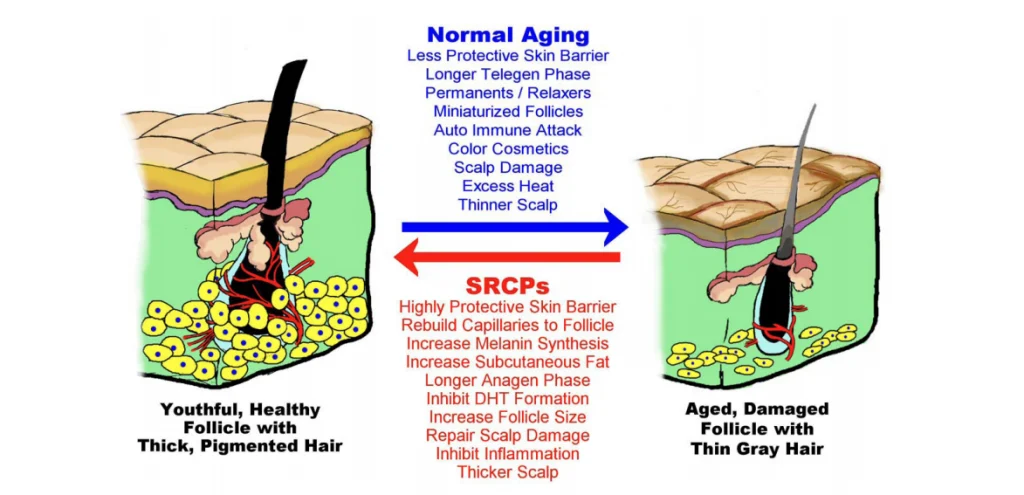
GHK-Cu potently inhibited DHT, a regulator of hairloss.

“Reduce DHT formation in the hair follicles – 5-alpha reductase exists in 2 forms; type 1 which function in hair follicles and type 2 which acts in prostate tissue. Follicle damaging DHT is produced in the hair follicles. Pro- pecia (finasteride) inhibits 5-AR throughout the body and improves hair growth. But it works best on the type 2 form, and is best suited for for controlling prostate enlargement. It also must be administered by pills that spread the drug throughout the body. However, increased copper ions in the skin is better at inhibiting the type 1 5-AR that damages hair growth. Sugimoto et al (Sugimoto 1995) found that copper (II) ions could give up to a 90% inhibition of type 1 5-AR. at At 0.12 micrograms copper ion per milliliter, there was a 50% reduction in activity of type 1 alpha reductase but copper (II) ions were 10-fold less active on inhibiting the type 2 prostate type. Thus, copper ions are more specific inhibitors of 5-AR than finasteride.” (6)

“The human tripeptide Glycyl-l-histidyl-l-lysine (GHK) is present in the plasma, saliva, and urine and is used for wound treatment and skin care [18]. It is naturally occurring, nontoxic, and readily forms complexes with copper, regulating its metabolism and improving its bioavailability. GHK tripeptide and its copper (II)-chelated form (GHK-Cu) accelerate the process of regeneration, wound healing, and antioxidant and anti-inflammatory actions. GHK-Cu suppresses inflammation by lowering the level of acute-phase inflammatory cytokines, including TGF-β and TNF-α, and reduces oxidative damage by modulating iron levels. Recent studies have demonstrated an antioxidant and anti-inflammatory role of GHK-Cu to ameliorate skin damage…” (1)

Welcome back!

or
Menu
Explore

Search Peptides

Welcome back!

or
0