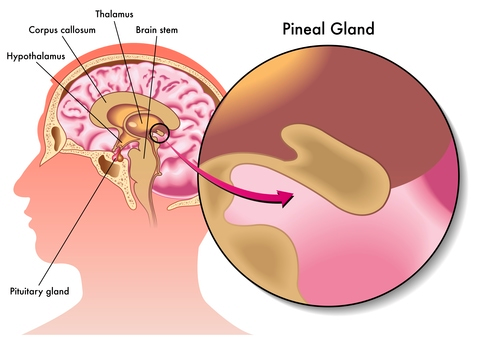
Epithalon, also known as Epitalon is a synthetic peptide analog of epithalamin, a protein found in the pineal gland of mammals and of interest for its anti-aging properties. Past research studies have demonstrated that epithalamin can increase maximum life span in animals, decrease levels of free radicals, and alter catalase activity to prevent tissue damage [1]. Epithalamin has been shown to decrease mortality by 52% in fruit flies, by 52% in normal rats, and by 27% in mice prone to certain types of cancer and cardiovascular disease [2].
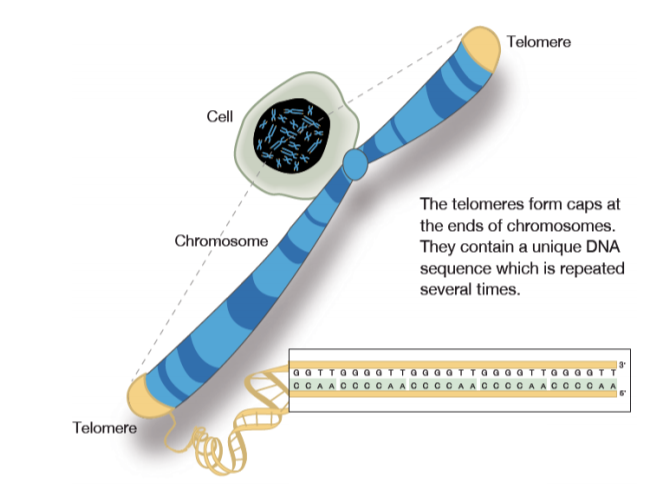
It has been shown, through extensive animal research, to be a potent regulator of cell metabolism, including growth and cell division. In particular, epithalon is able to extend cell survival in vitro. At least part of the reason that epithalon can extend cell survival comes down to its action on telomeres.
Epithalon has similar effects to epithalamin in mice and rats. It has also shown promise as an anti-cancer agent, reducing spontaneous mammary tumors in mice prone to them and reducing incidence of intestinal tumors in rodents. How does it achieve these effects?