Research Categories
Research Categories

Peptide Sciences Research

ALL ARTICLES AND PRODUCT INFORMATION PROVIDED ON THIS WEBSITE ARE FOR INFORMATIONAL AND EDUCATIONAL PURPOSES ONLY. The products offered on this website are furnished for in-vitro studies only. In-vitro studies (Latin: in glass) are performed outside of the body. These products are not medicines or drugs and have not been approved by the FDA to prevent, treat or cure any medical condition, ailment or disease. Bodily introduction of any kind into humans or animals is strictly forbidden by law.

The Optimal Performance of AmyP53 Peptide for Alzheimer’s and Parkinson’s Disease

Recent studies suggest a different approach to elaborating therapies for these neurodegenerative disorders. In general, one of the typical pathological hallmarks of Parkinson’s (PD) and Alzheimer’s disease (AD) is the misfolding and accumulation of specific proteins like the α-synuclein and the β-amyloid, which, in high levels, are detrimental to the brain cells.[4] Even though most of the research effort is used to prevent the accumulation of these proteins, there is still no cure for neurodegeneration. However, several studies have pointed out that amyloids (β-amyloid) and α-synuclein oligomers are more linked to the symptoms of both disorders.[1-3] Oligomers are toxic and aggregate early before forming α-synuclein clumps and β-amyloid plaques—equally.[3] These oligomers are formed from the self-assembly of a few molecules of amyloid proteins. There are two oligomers: (1) the soluble oligomers and (2) the membrane-associated oligomers.[1]

Interestingly, only the membrane-associated oligomers are noxious when interacting with the plasma membrane.[3] Some articles refer to AD as a membrane disorder.[3] The membrane-oligomer interaction is generally arbitrated by molecules called gangliosides.[2] Gangliosides are assembled micro-domains of the membrane that form lipid rafts. [2,5] Gangliosides are used as connection sites by α-synuclein and β-amyloid proteins.[3] For a membrane-oligomer connection, first, they need to bind to gangliosides.[2] Once the oligomers bind the gangliosides, they form “amyloid pores”.[2,3] Amyloid pores are slight channels in which unregulated Ca+2 ions enter the cell, generating a calcium imbalance in brain cells.[3] In normal conditions, calcium is crucial in plasticity, signaling between neurons, synaptic transmission, and transport.[3,6]

On the other hand, the unregulated entrance of Ca+2 ions inside the cells caused an increase in toxicity and led to apoptosis (cell death).[4] In addition, high levels of Ca+2 ions stimulate the activation of pathways for the overproduction of other proteins like the tau protein, another pathological hallmark of AD. [6] Oxidative stress, synaptic decline, and plasticity have also been observed.[3] Therefore, finding molecules able to bind and block the gangliosides can help prevent amyloid-related oligomers from attaching and forming the amyloid pores, thus helping reverse or prevent the development of AD and PD.[1,3,5] 

AmyP53 is a peptide (KEGVLYVGHHTK) used in recent investigations to develop new treatments for AD and PD.[3] AmyP53 was created with the necessary binding properties of the oligomers to bind the gangliosides, thus avoiding the amyloid oligomers to bind and form the amyloid pores (see Fig. 1).[3] Once the AmyP53 prevents the amyloid pore formation, the Ca+2 ions maintain its average level. AmyP53 also prevents neuroinflammation, synaptic loss, neuronal death, tau misfolding, and mitochondrial dysfunction, which can all cause the development of neurodegenerative disorders, especially AD and PD.[1-4] To develop this peptide, the investigators identified recognition sites in the ganglioside structures and then tested different molecules that share the molecular characteristics for binding. [1-3] The Amyp53 peptide can be administered successfully through intravenous and intranasal administration.[3] However, the recommended method is the intranasal administration (nasal spray) (see Fig.2). [1,3] This peptide can be used as a treatment for both AD and PD because of the mechanism used. Recent studies have also shown that AmyP53 has excellent stability in temperatures up to 45 ◦C for months without signs of degradation.[3] In addition, the AmyP53 can cross the blood-brain barrier through both the intranasal and intravenous administration, where higher amounts of the peptide are found in the brain than in the blood.[1] 
How Does the SHMOOSE Protein Affect Brain Plaques in Alzheimer’s Disease?

SHMOOSE microprotein, a novel mitochondrial DNA variation connected to Alzheimer’s Disease pathology

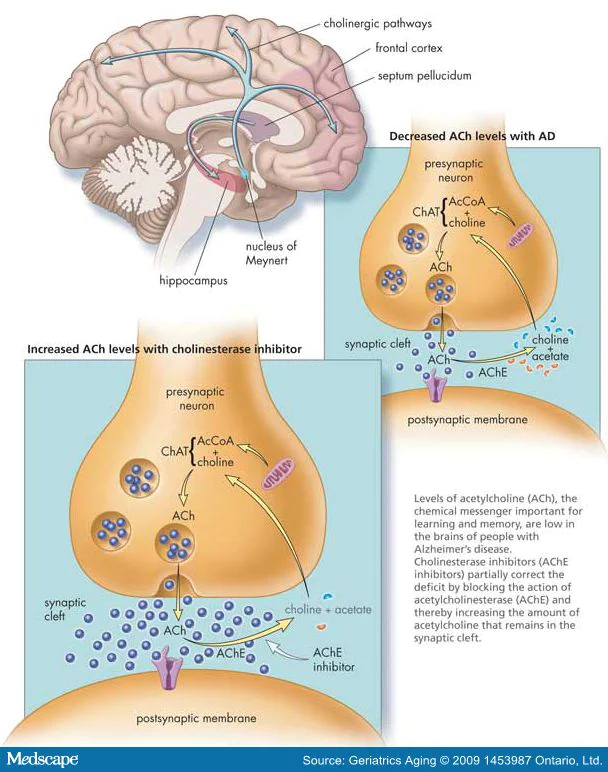
Alzheimer’s is a disease that has recently caught the attention of researchers because of the alarming increase in cases through the years. [1,7] This rare but common disorder affects around 6.07 million people in 2020 in the United States. [5] Now, there is no cure for AD. [7] The complexity of AD pathology makes it challenging for investigators to find solutions like treatments for the disease. Even though there is no cure, three acetylcholinesterase inhibitors therapies are approved by the FDA (donepezil, galantamine, and rivastigmine). [7] Acetylcholinesterase inhibitors therapies help compensate death of cholinergic neurons and offer symptomatic relief by inhibiting acetylcholine (Ach) turnover and restoring synaptic levels of this neurotransmitter. [7] The inhibition of the cholinesterase (AChE) helps in the deficit of Ach in AD patients by avoiding the conversion of Ach to acetate and choline, thus increasing the Ach levels in the synaptic cleft (see FIGURE 1). 

What is NAD+? How Does it Work?

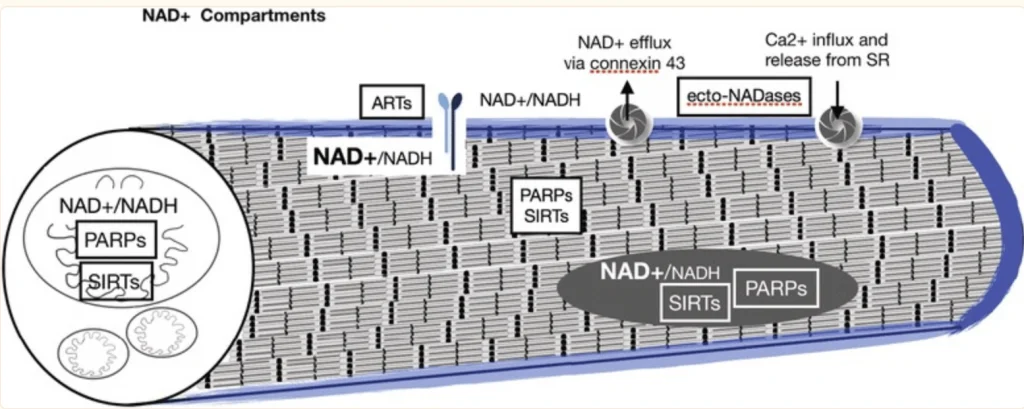
NAD+ is the second most abundant cofactor in the human body. Anti-aging therapies are becoming more mainstream as aging is now more often being viewed as a disease. Now that this transition is happening, the ability for NAD+ to activate PARPS, Sirtuins, and help with immune dysregulation has been thoroughly investigated and NAD+ and its precursors have been highly popularized. The clinical importance of maintaining cellular NAD+ levels was established early in the last century with the finding that pellagra, a disease characterized by diarrhea, dermatitis, dementia and death, could be cured with foods containing the NAD+ precursor niacin.

Additionally, cellular concentrations of NAD+ have been shown to decrease under conditions of increased oxidative damage such as occur during aging Altered levels of NAD+ have been found to accompany several disorders associated with increased oxidative/free radical damage including diabetes, heart disease, age-related vascular dysfunction, ischemic brain injury, misfolded neuronal proteins, and Alzheimer’s dementia. Interventions targeted at restoring NAD+ has been shown in animal models to support healthy aging and improve metabolic function, and dementia.

A need for NAD+ in muscle development, homeostasis, and aging

In a review study, researchers discuss the recent data that document conserved roles for NAD+ in skeletal muscle development, regeneration, aging, and disease as well as interventions targeting skeletal muscle and affecting NAD+ that suggest promising therapeutic benefits. The researchers also highlight gaps in our knowledge and propose avenues of future investigation to better understand why and how NAD+ regulates skeletal muscle biology.

Peptides and Cognitive Decline during the Aging Process

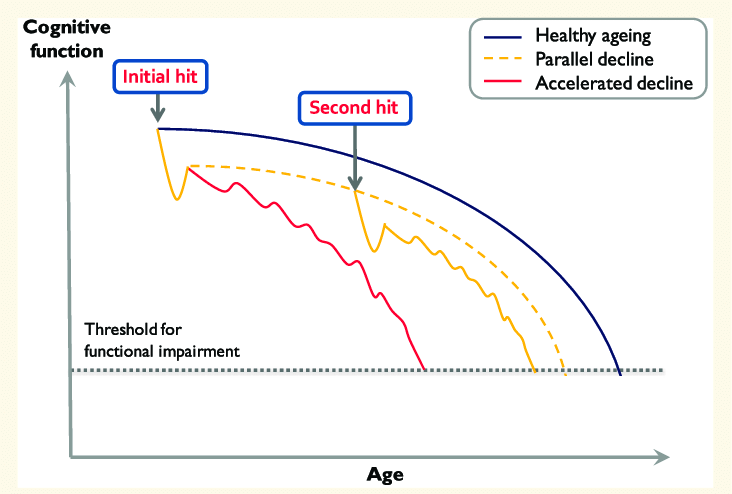
As we embark on the journey of life, our minds serve as the compass guiding us through a myriad of experiences and memories. However, with the passing of time, the aging process can cast a shadow on this cognitive prowess. Cognitive decline, a natural part of growing older, has long been a concern for individuals seeking to maintain mental acuity and preserve their quality of life.

Fortunately, as scientific research advances, new avenues of exploration emerge, shedding light on potential solutions to combat cognitive decline. One such area of intrigue involves the use of peptides, which hold promise as a fascinating tool in the fight against aging-related cognitive impairment.

In this blog post, we will delve into the relationship between peptides and cognitive decline during the aging process. We will explore the underlying mechanisms behind cognitive decline, examine the role of peptides in maintaining cognitive function, and delve into recent scientific findings that offer hope for restoring and preserving cognitive abilities as we age.

Cognitive Decline
Cognitive decline is a common phenomenon associated with aging, with its prevalence increasing as individuals grow older. Alzheimer’s disease, the most common cause of dementia, affects a significant number of people worldwide. In the United States, an estimated 6.2 million individuals aged 65 and older were living with Alzheimer’s dementia in 2021. Globally, it was estimated that around 50 million people had dementia in 2020, with Alzheimer’s disease accounting for most cases. Mild Cognitive Impairment (MCI), which represents a stage between normal aging and dementia, affects approximately 10-20% of individuals aged 65 and older. Age-related cognitive decline, a milder form of cognitive impairment associated with aging, is experienced by a significant proportion of older adults. The exact prevalence of age-related cognitive decline is challenging to determine due to variations in diagnostic criteria. However, it is understood that a substantial number of older individuals will experience some degree of cognitive decline.

Curcumin-loaded PLGA Nanoparticles Improve Cognition and Neurogenesis in Alzheimer’s

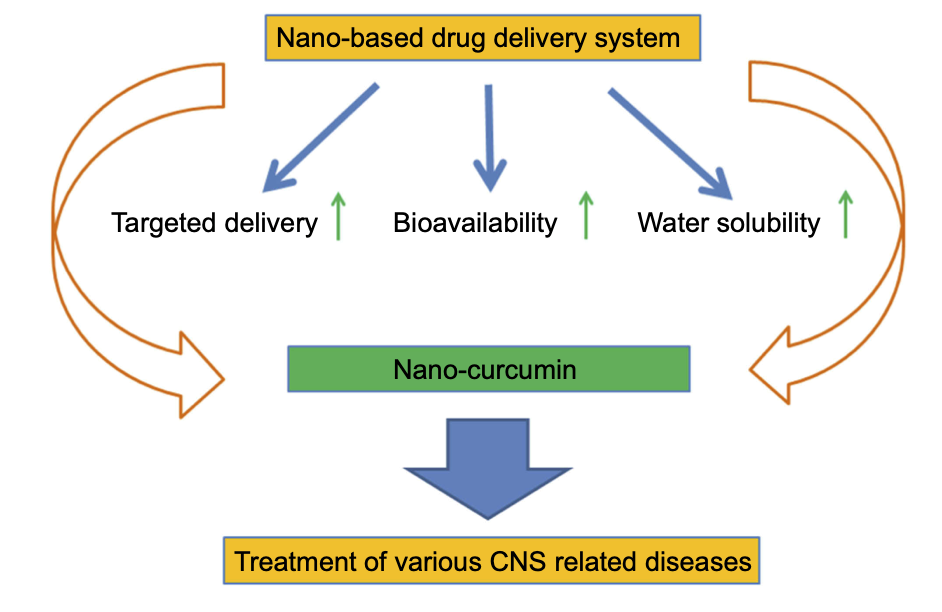
The PLGA-based curcumin treatment for AD uses nanoparticles to transport curcumin to the brain. [1-3] The nanoparticles comprise PLGA, a biocompatible and biodegradable polymer.[5] The nanoparticles are small enough to cross the BBB, which is typically challenging for medications targeting the brain.[5] Once the nanoparticles reach the brain, they release curcumin, reducing neuroinflammation, inhibiting the aggregation of misfolding proteins, and improving neuroprotection and cognition.[1-5] In other words, by decreasing neuroinflammation and inhibiting the development of abnormal proteins, PLGA-based curcumin remedy can slow down or even reverse the advancement of AD.[5-9 Several articles have shown that the PLGA-based curcumin treatment can help in combating other neurodegenerative disorders like Parkinson’s disease (PD) by reducing PD symptoms, apoptosis, and oxidative stress.[12] The PLGA-based curcumin therapy could provide a wide range of benefits in AD patients by decreasing the progression of most of the pathological aspects of the disorder.[5-10] In addition, this therapy overcomes one of the most challenging aspects of AD treatment, which is to cross the BBB.[1] PLGA-based curcumin provides a safe, viable, stable, nontoxic, and efficient way to fight AD progression.[11] Clinical trials for PLGA-based curcumin are ongoing, aiming to study the effectiveness and safety of using this treatment on humans.[10-13] Even though the results are unavailable, the preclinical studies show remarkable results in mice models.[12]

Benefit summary of the nano-based curcumin delivery system (PLGA-based curcumin)

  • Decrease Amyloid beta and tau misfolding, accumulation, and toxicity.
  • Improves memory and cognition in AD models (see Fig. 2).
  • High circulation time in blood and bioavailability
  • Cross the Blood-brain barrier
  • Decreases neuronal cell death.
  • Reduces neuroinflammation dramatically.
  • Enhances neuroprotection and neuroplasticity.
  • Inhibit the activation of cytokines.
  • Promotes the heat shock response.
  • Reduces the immune cell infiltration.

V24P Peptide Targets Amyloid Plaques in Alzheimer’s Disease

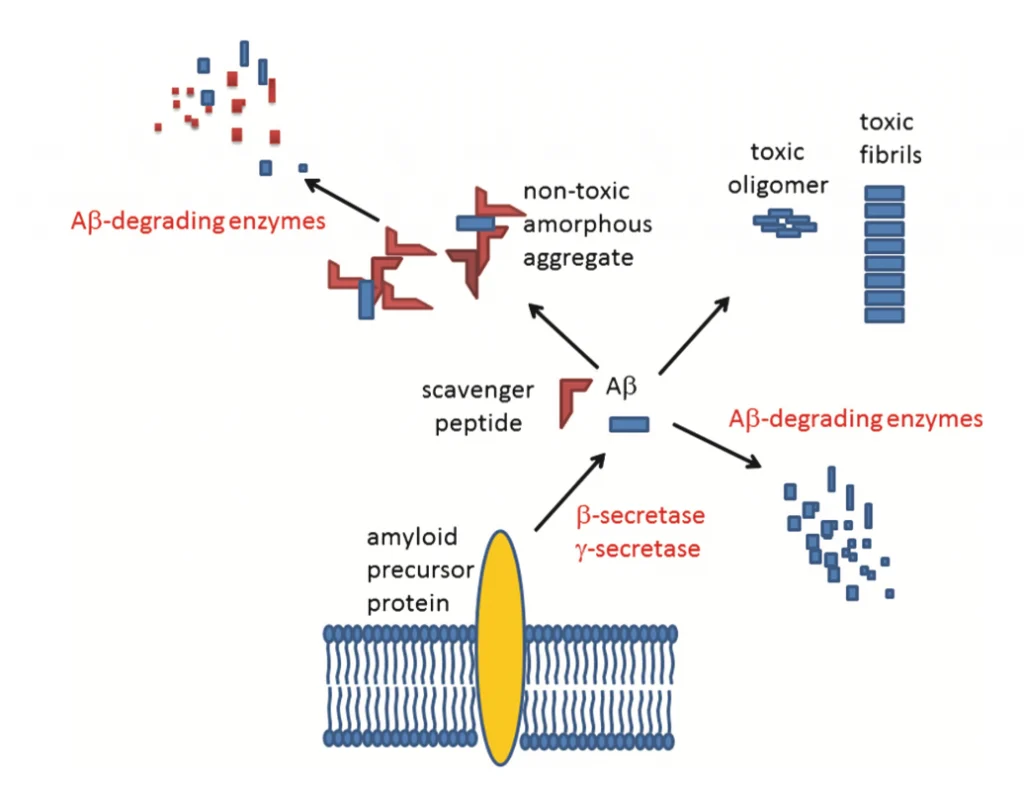
Mechanism of the V24P (10-40) scavenger peptide.

Figure 1.

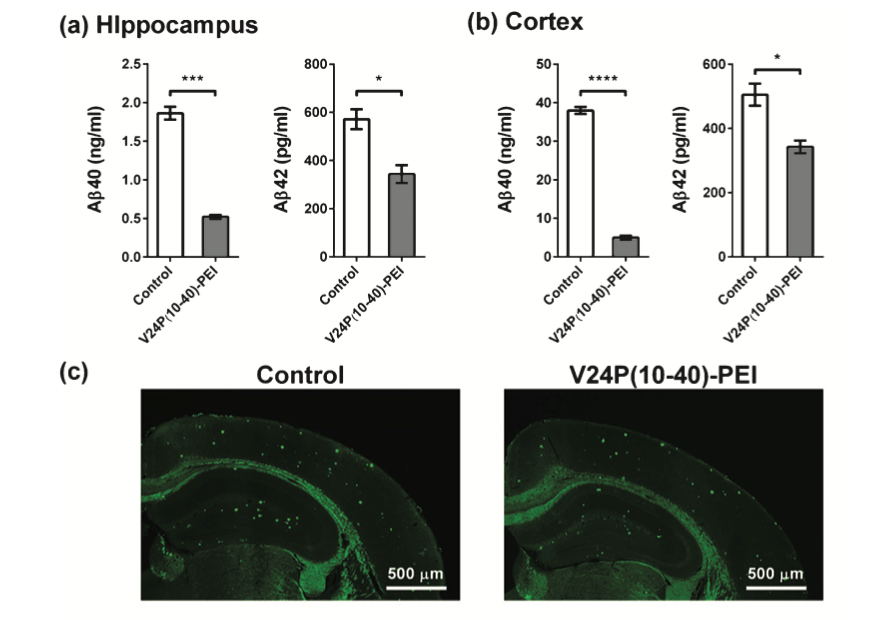
Several studies show that V24P (10-40) PEI decreases the accumulation and toxicity of both Aβ40 and Aβ42 in the hippocampus and the cortex of AD mice models (see Fig.2).[3,5] V24P (10-40) PEI peptide also significantly decreases the amyloid-β plaque aggregation in AD mice models.[7] It is well known that amyloid-β plaques and neurofibrillary tangles tend to accumulate in the olfactory bulb, damaging olfaction in the early stages of AD. [3] This novel peptide demonstrated that it could reduce both plaques and neurofibrillary tangles in the olfactory bulb.[3,6] For this reason, the V24P (10-40) PEI peptide is an excellent candidate for preventing the pathogenesis of AD from its early stages.[1-4]After testing different quantities (mg) of V24P (10-40) PEI, the investigators found that administering 1.6mg 6 times a week for eight months can reduce the amyloid-β in the hippocampus by 81%.[3] When comparing those results with other peptides made specially for decreasing the amyloid-β in the hippocampus, V24P (10-40) PEI shows the best performance (see Table 1).[3] Several studies suggest that V24P (10-40) PEI has excellent potential in slowing down the pathogenesis of AD by trapping and eliminating the overexpressed amyloid-β peptides in the olfactory bulb, hippocampus, brain cortex, and other possible areas.[2-4] AD is known to be a multifactorial disorder. However, a large percentage of patients show amyloid-β aggregation postmortem.[5] V24P (10-40) PEI is one of the few peptides tested in vivo, showing excellent results in decreasing self-aggregate proteins in the brain. [3,6] Stabilizing the amyloid-β levels in the brain can reduce neuronal cell mortality and memory loss, decreasing the chances of developing AD. [2] 

Results of the Aβ40 and Aβ42 levels in the (a) hippocampus and (b) the cortex after the administration of V24P (10-40) PEI peptide


Be the first to know

Receive all the latest information on events, sales, & offers.

Welcome back!

or
Menu
Explore

Search Peptides

Welcome back!

or
0